Maybe it started as a whisper. A long morning drop-off, a child who used to love learning and now sighs at the word "school," or simply a feeling that your family wants more time together. Now you're here, typing "how to start homeschooling" at 11 p.m. with a cold cup of coffee beside you.
Welcome. You don't need to have it all figured out tonight.
Starting to homeschool is less about buying the perfect curriculum and more about a handful of calm, practical decisions: understanding your state's rules, giving everyone time to adjust, choosing a simple rhythm, and filling your home with good books. This guide walks you through each step, in order, so you can go from "maybe" to a happy first week.
Quick answer: To start homeschooling, (1) check your state's homeschool law, (2) withdraw from school if needed, (3) take a few weeks to deschool, (4) write down your "why," (5) choose a simple weekly rhythm, (6) pick a math program and a stack of great books, and (7) plan a short, joyful first week. Then adjust as you go.
Step 1: Check your state's homeschool laws
Before anything else, learn what your state requires. Homeschool laws vary widely across the US. Some states ask only for a simple notice, others want annual assessments, portfolios, or specific subjects covered, and a few have more detailed oversight.
The easiest place to begin is HSLDA's state homeschool law pages, which summarize each state's requirements in plain language. Then confirm with your state's department of education website. Note any notice deadlines, required subjects, testing or portfolio rules, and records to keep. This takes an afternoon, not a semester.
This article isn't legal advice, so if anything feels unclear, a local homeschool group or your state's homeschool organization is a wonderful resource.
Step 2: Withdraw from school the right way (if your child is enrolled)
If your child is currently in a public or private school, follow your state's process for withdrawing. In many places this means sending a short letter to the school and filing any required notice with the state or district. The order matters in some states, so check before you pull your child out.
Keep copies of everything you send. A simple folder (paper or digital) labeled "Homeschool records" is the first thing every new homeschool family should create.
Step 3: Give everyone time to deschool
This is the step most new families skip, and it's the one veterans most often wish they had taken seriously.
"Deschooling" is a transition period where you and your kids let go of school-shaped habits: bells, worksheets for everything, sitting still for hours, and the idea that learning only counts if it happens at a desk. A common rule of thumb is to allow a few weeks, sometimes more for kids who had a hard time in school.
During deschooling, you might:
- Visit the library every week and let kids choose freely
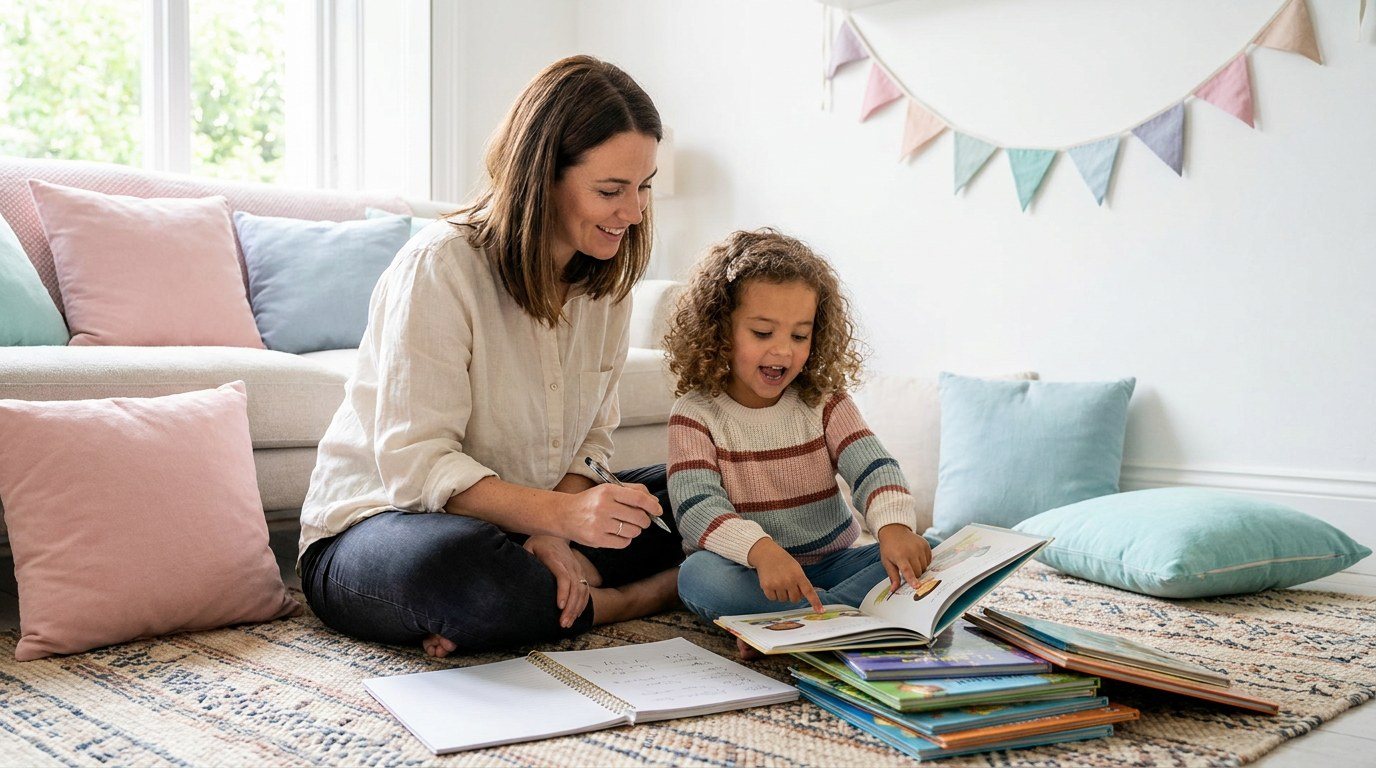
- Read aloud every day, just for the joy of it
- Bake, garden, build with blocks, and take long walks
- Notice what your kids ask about when nobody is asking them anything
This isn't wasted time. You're quietly learning how each child learns, and they're remembering that curiosity is fun.
Step 4: Write down your "why"
Grab a notebook and answer one question: why are we doing this?
Maybe you want more family time, more flexibility, a gentler pace for a sensitive child, more challenge for a quick learner, or simply more room for books and big questions. Whatever your reasons, write them down. On a hard Tuesday in February, your "why" will remind you what matters (and what doesn't).
If you're still weighing the decision, our guide to whether homeschooling is right for your family walks through honest questions to ask yourself, including the tricky ones about time, money, and patience.
Step 5: Learn the main homeschool styles (and borrow freely)
You'll quickly run into a lot of homeschool vocabulary. Here's a quick, friendly overview so the terms don't feel intimidating:
| Style | What it looks like | Good fit if you love... |
|---|---|---|
| Traditional / school-at-home | Textbooks, workbooks, grade-level subjects | Clear structure and checklists |
| Literature-based | Learning through real books, read-alouds, and discussion | Stories, libraries, and cozy reading time |
| Unit studies | One theme (like snow, oceans, or the night sky) ties subjects together | Teaching several ages at once |
| Charlotte Mason | Living books, nature study, short lessons, narration | Nature walks and beautiful books |
| Unschooling | Child-led learning through interests and daily life | Following curiosity wherever it goes |
| Eclectic | A mix of all of the above | Flexibility and picking what works |
Most families end up eclectic, and that's perfectly fine. At Quaintly Curious, we blend literature-based homeschooling with seasonal unit studies, because a great picture book can carry reading, writing, science, math, and art for a whole week.
Step 6: Choose a simple weekly rhythm
New homeschoolers often build a minute-by-minute schedule, then feel crushed when real life (a teething toddler, a dentist appointment, a sunny day) knocks it over by Wednesday. A rhythm is gentler. It gives each day a flavor without locking you into a clock.
Here's the five-day rhythm we use in every Quaintly Curious plan:
- Monday: Read & Wonder. Read the week's anchor book together and collect questions.
- Tuesday: Words & Worlds. Vocabulary, writing, geography, and history connected to the story.
- Wednesday: Nature & Number. Science and math, often outdoors or hands-on.
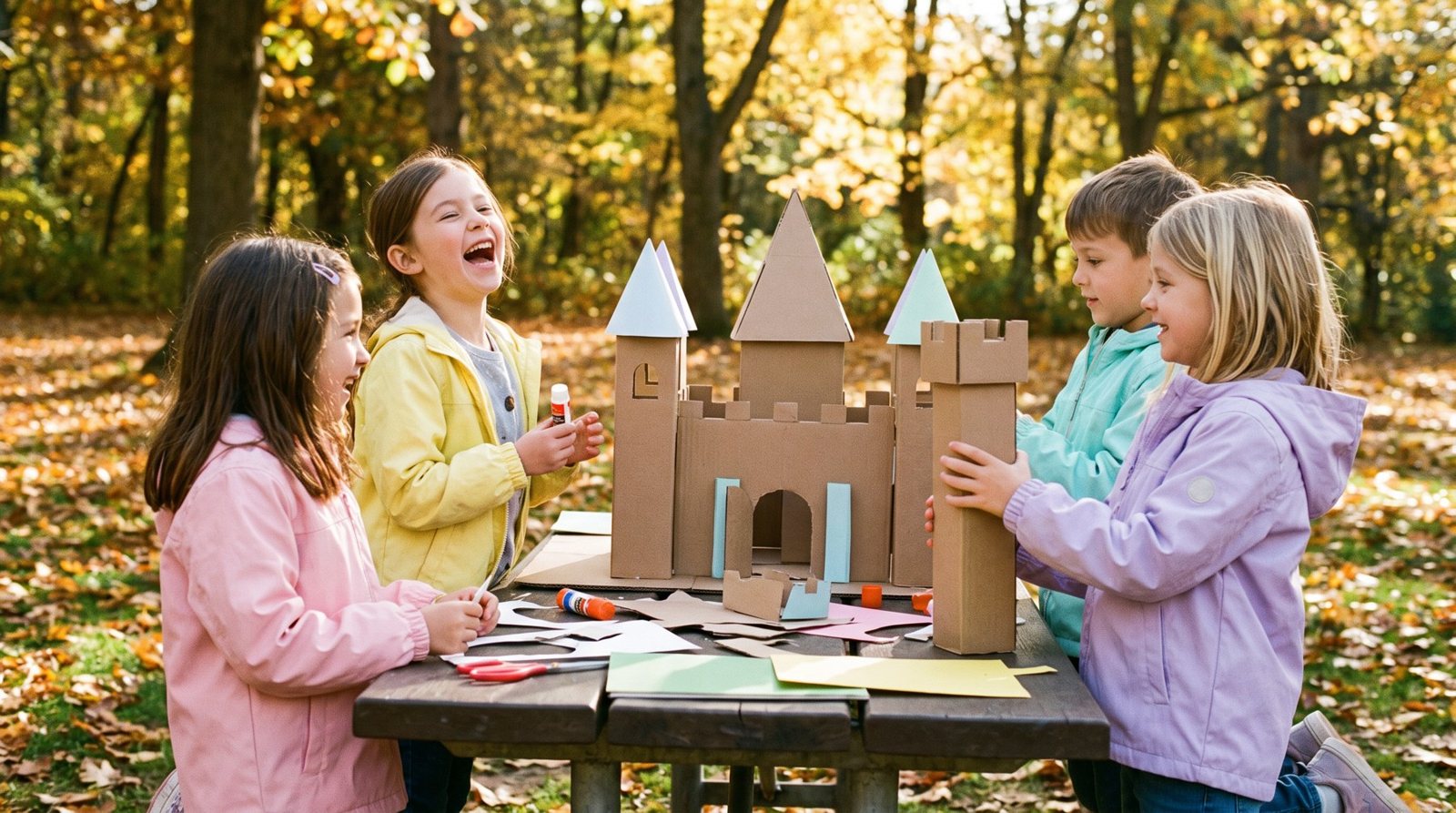
- Thursday: Make & Do. Art, building, cooking, experiments, and projects.
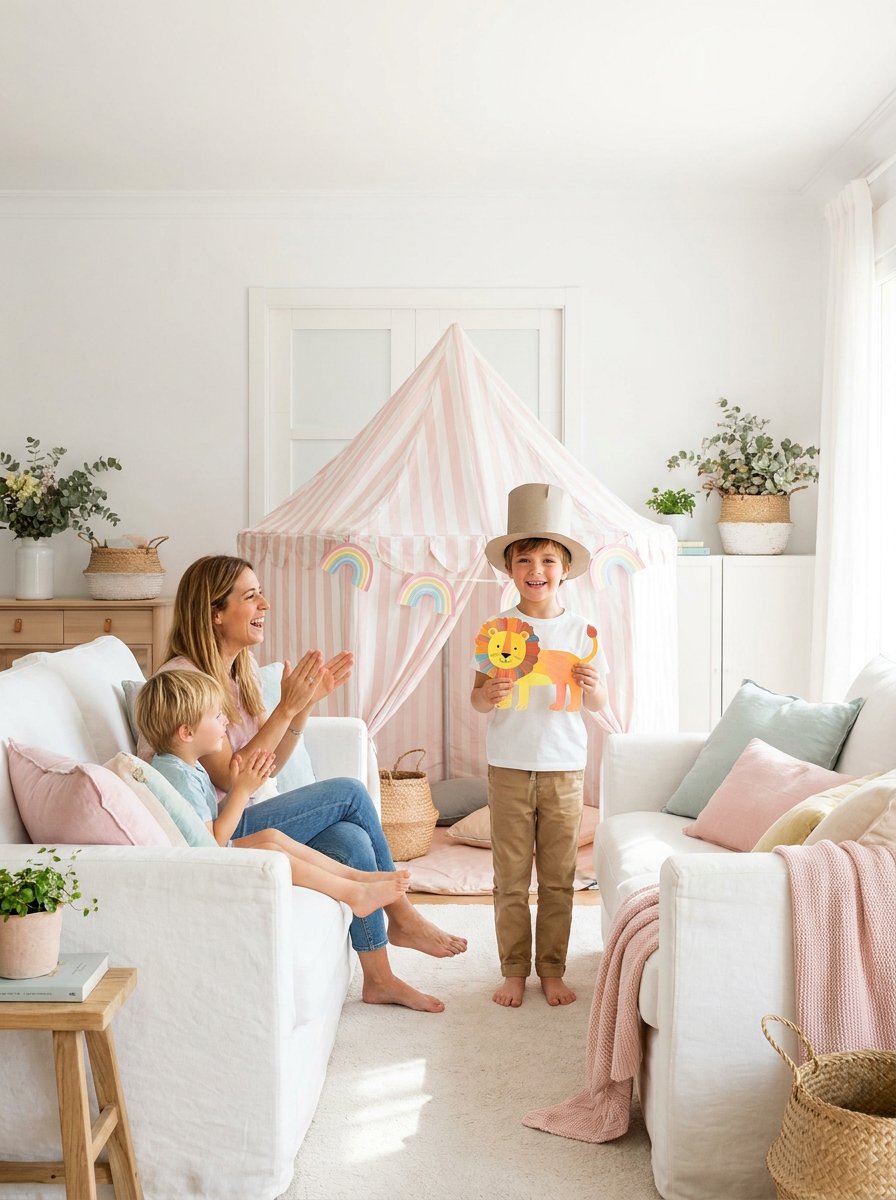
- Friday: Showtime. Kids share or present what they made (to you, siblings, grandparents, or friends).
Math practice and independent reading slot in daily. Everything else rides along with the rhythm. If you'd like to see what a full day looks like by age, our sample homeschool schedules break it down for Littles, Middles, and Bigs.
Step 7: Figure out how much time you actually need
One of the biggest surprises for new homeschool families: learning at home takes far less time than a school day. There are no lines, no bus, no waiting for thirty classmates to finish. Here's a realistic guide for focused, guided lessons:
| Level | Grades | Guided lesson time per day |
|---|---|---|
| Littles | K-3 | 30 to 45 minutes |
| Middles | 4-6 | 60 to 90 minutes |
| Bigs | 7-8 | 90 to 120 minutes |
On top of that, add read-alouds, independent reading, outdoor play, chores, and projects. Those are real learning too. Many families finish their focused work by lunch and spend afternoons on interests, field trips, co-op classes, or simply playing outside.
If you're teaching more than one child, you'll combine a lot of this. Read-alouds, science, history, art, and projects work beautifully as a whole family, with each child doing a version that fits their age. Our guide to homeschooling multiple ages shows you how to keep the whole troupe learning together without running three separate schools.
Step 8: Pick your materials (start smaller than you think)
It's tempting to buy a full year of everything. Please don't, at least not yet. You don't know your kids' learning style at home, and you don't know your own teaching style either. Start small and add as you learn.
Here's a beginner-friendly starter kit:
- A math program matched to each child's actual level (not their grade). Math is the one subject where a steady, sequential program really helps.
- A library card for every family member. This is your most valuable homeschool resource, and it's free. The American Library Association has lots of resources on reading with kids, and your local children's librarian is a treasure.
- A stack of great books. Picture books for everyone (yes, even Bigs) plus a chapter book read-aloud.
- A notebook per child for writing, drawing, and nature notes.
- Basic supplies: colored pencils, glue sticks, scissors, watercolors, a ruler, a clipboard for outdoor work.
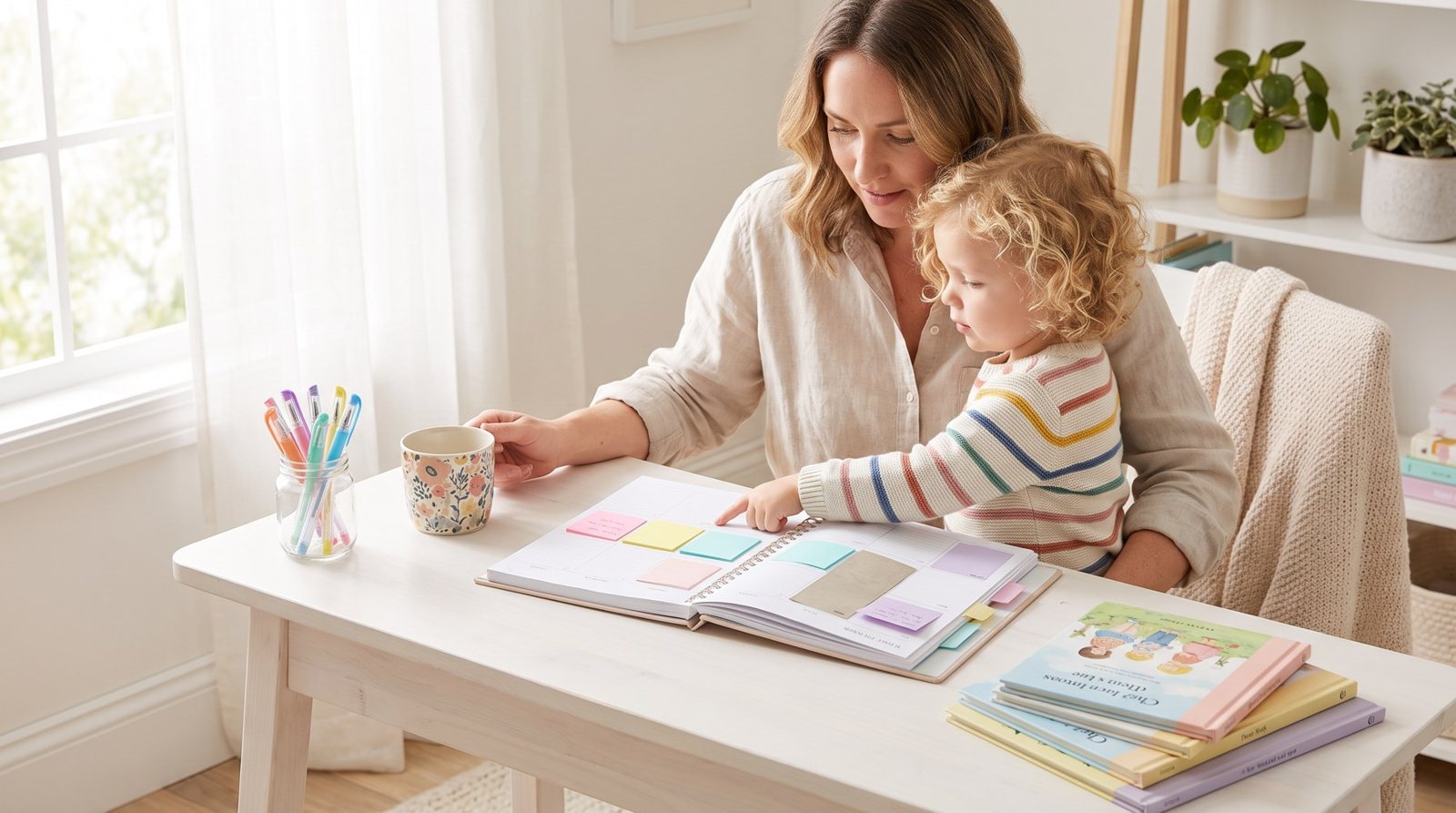
- A simple planner to sketch out each week.
Books that make a wonderful first month
You don't need anything fancy to begin. A few well-loved titles can carry weeks of learning:
- Blueberries for Sal by Robert McCloskey (nature, seasons, counting, mothers and babies in the wild)
- The Snowy Day by Ezra Jack Keats (weather, observation, collage art)
- Miss Rumphius by Barbara Cooney (geography, plants, making the world more beautiful)
- Frog and Toad Are Friends by Arnold Lobel (friendship, early reading, writing letters)
- Make Way for Ducklings by Robert McCloskey (Boston geography, birds, maps)
- Charlotte's Web by E.B. White (a gentle first chapter book read-aloud for the whole family)
For Bigs, pair a picture book with a meatier novel such as Hatchet by Gary Paulsen or The Wild Robot by Peter Brown, and let them dig into research, writing, and discussion.
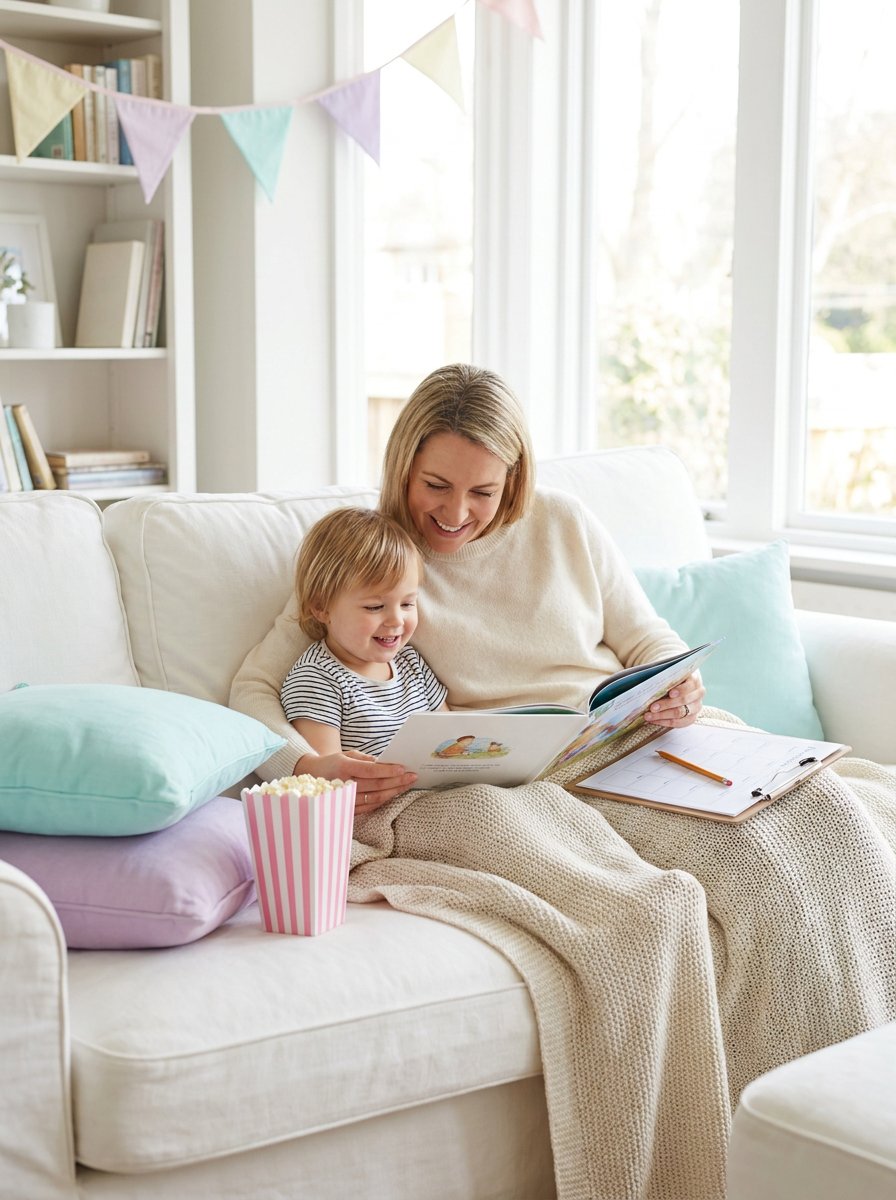
Free tool: Not sure how to stretch one picture book into a week? The Popcorn Planner is a free printable planner and guide that "pops" any picture book into a bite-sized, five-day week of learning for Littles, Middles and Bigs. It even includes a fully worked Blueberries for Sal week you can use as your very first homeschool week.
Want the full method? Our post on picture book lesson plans walks you through turning any story into a week of reading, writing, science, math, and art.
Step 9: Plan a short, joyful first week
Your first official homeschool week should feel like an invitation, not a test. Keep it short, keep it cozy, and plan for success. Here's a sample first week built around Blueberries for Sal:
- Monday (Read & Wonder): Read the book together. Make a "wonder list" of questions. Littles draw their favorite page; Bigs look up what bears really eat in late summer.
- Tuesday (Words & Worlds): Find Maine on a map. Littles practice the sounds in "kuplink, kuplank, kuplunk"; Middles and Bigs write a short scene from the mother bear's point of view.
- Wednesday (Nature & Number): Count, sort, and measure real blueberries (or blue pom-poms). Middles make a bar graph; Bigs calculate cost per ounce at the grocery store.
- Thursday (Make & Do): Bake blueberry muffins together, doubling or halving the recipe for a math challenge. Paint a blueberry hill with watercolors.
- Friday (Showtime): Everyone shares something they made. Invite a grandparent on a video call. Celebrate with the leftover muffins.
A few first-week tips:
- Plan for about half of what you think you can do.
- Stop while everyone is still having fun.
- Keep math going daily, even if it's just 15 minutes.
- Take photos of the week's work. That's the start of your portfolio.
For more help mapping out the weeks that follow, our homeschool lesson planning guide shows you how to plan a month without burning out.
Step 10: Find your people
Homeschooling is not meant to be a solo act. Connection matters for you and for your kids.
Look for:
- Local homeschool groups for park days, field trips, and holiday parties
- Co-ops where parents take turns teaching classes
- Library programs, many of which welcome homeschoolers during the day
- Classes and teams like art, swim, theater, scouts, sports, or music lessons
If you're worried about friendships and social skills (nearly every new homeschool parent is), our honest guide to homeschool socialization covers what it really looks like day to day, plus practical ways to help kids build friendships.
Common worries when you start homeschooling
Almost every new homeschool parent has the same handful of fears. Here's a little reassurance for each.
"I'm not patient enough."
Nobody is patient all the time. Homeschooling actually removes many of the pressure points (rushed mornings, homework battles after a long day) that test patience. Short lessons, a predictable rhythm, and permission to take a break go a long way.
"What if my kids fall behind?"
Behind whom? At home, each child can work at their own pace in each subject: ahead in reading, steady in math, slower in spelling. That's not falling behind; that's learning. Keep simple records so you can see progress over time.
"I don't know how to teach all the subjects."
You don't need to know everything. You need to be willing to learn alongside your kids. Gigi, our Ringmaster, grew up in her mom's classroom, curled up in the reading corner with library books, and the lesson she took away was that the best teachers are the most curious ones. Saying "I don't know, let's find out" is one of the most powerful things a homeschool parent can model.
Frequently asked questions
Can I start homeschooling in the middle of the school year?
Yes. Many families begin homeschooling mid-year, often after a hard semester or a move. The key step is following your state's rules for withdrawing from school, which may include a notice or letter. Check your state's department of education or HSLDA's state law page, then give your kids a few weeks of rest and reading before easing into lessons.
Do I need a teaching degree to homeschool my kids?
In most states, no teaching degree is required to homeschool, though a few states have specific requirements for parents or for oversight. You already know your children better than anyone, and you can learn right alongside them. Good books, a simple rhythm, and curiosity matter far more than credentials. Always confirm the details for your own state.
How many hours a day does homeschooling take?
Far less than a school day. Without lines, transitions, and crowd management, focused learning moves quickly. A rough guide: Littles (K-3) often need 30 to 45 minutes of guided lessons a day, Middles (4-6) about 60 to 90 minutes, and Bigs (7-8) about 90 to 120 minutes, plus reading, play, and projects.
How much does it cost to start homeschooling?
Homeschooling can cost very little. A library card, a notebook for each child, art supplies, and a printer go a long way. Some families buy a full boxed curriculum, while others use free resources, library books, and an affordable monthly membership. Start small, see what your kids respond to, and spend money only once you know what works.
What curriculum should I use for my first year of homeschooling?
Keep your first year simple. Choose a math program that fits each child's level, then build everything else around great books, nature, and hands-on projects. Literature-based units and seasonal themes let you teach several ages together. Avoid buying a full year of materials up front; try a few weeks first and adjust as you learn your family's style.
How to start homeschooling: you're ready for your first act
Learning how to start homeschooling comes down to a few steady moves: know your state's rules, give everyone time to adjust, choose a simple rhythm, gather great books, and plan a first week that feels like a celebration. You'll tweak things as you go. Every homeschool family does.
The most important thing you bring isn't a perfect plan. It's your attention, your curiosity, and your love for your kids. The rest you'll figure out together, one week (and one good book) at a time.
Step right up: Want every week planned for you? The Big Top is our seasonal homeschool membership: themed lesson plans in our five-day rhythm, separate PDFs for Littles, Middles and Bigs, weekly puzzles, games, projects, and a Friday Showtime with the whole Troupe. One flat price of $33/month covers your whole family, and you can cancel anytime. Season 1, "The Frost Fair," opens November 27, 2026. Not ready yet? Start with the free Popcorn Planner and plan your very first week tonight.