Tell anyone you're thinking about homeschooling, and there's a good chance the very next question will be, "But what about socialization?" It might even be the question keeping you up at night.
Here's the reassuring news: homeschool socialization is very doable, and for many families it becomes one of the unexpected joys of learning at home. Kids still make friends, work in groups, handle conflict, and learn to speak up. They just do it in different places, often with a wider mix of ages.
Let's look at what socialization actually means, what it looks like day to day for homeschoolers, and simple ways to help your kids build real friendships.
Quick answer: Homeschool socialization happens through regular, repeated time with other people: park days, co-ops, classes, sports, library programs, neighbors, and family. Aim for two or three consistent social activities a week, give kids chances to share their work with others, and focus on a few deep friendships rather than a packed calendar.
What "socialization" really means
When people worry about socialization, they usually mean two things: Will my child have friends? And will they learn to get along with others?
Socialization is really about learning how to function well in a community: being kind, taking turns, solving problems, speaking up respectfully, and working with people who aren't exactly like you. Those skills grow anywhere kids spend meaningful time with others. A classroom is one place that happens. A family, a neighborhood, a library, a soccer field, and a co-op are others.
Homeschooled kids often spend time with babies, teens, grandparents, shopkeepers, librarians, and neighbors in a single week. That variety is real practice for adult life, where we rarely spend our days only with people born the same year we were.
What homeschool socialization looks like day to day
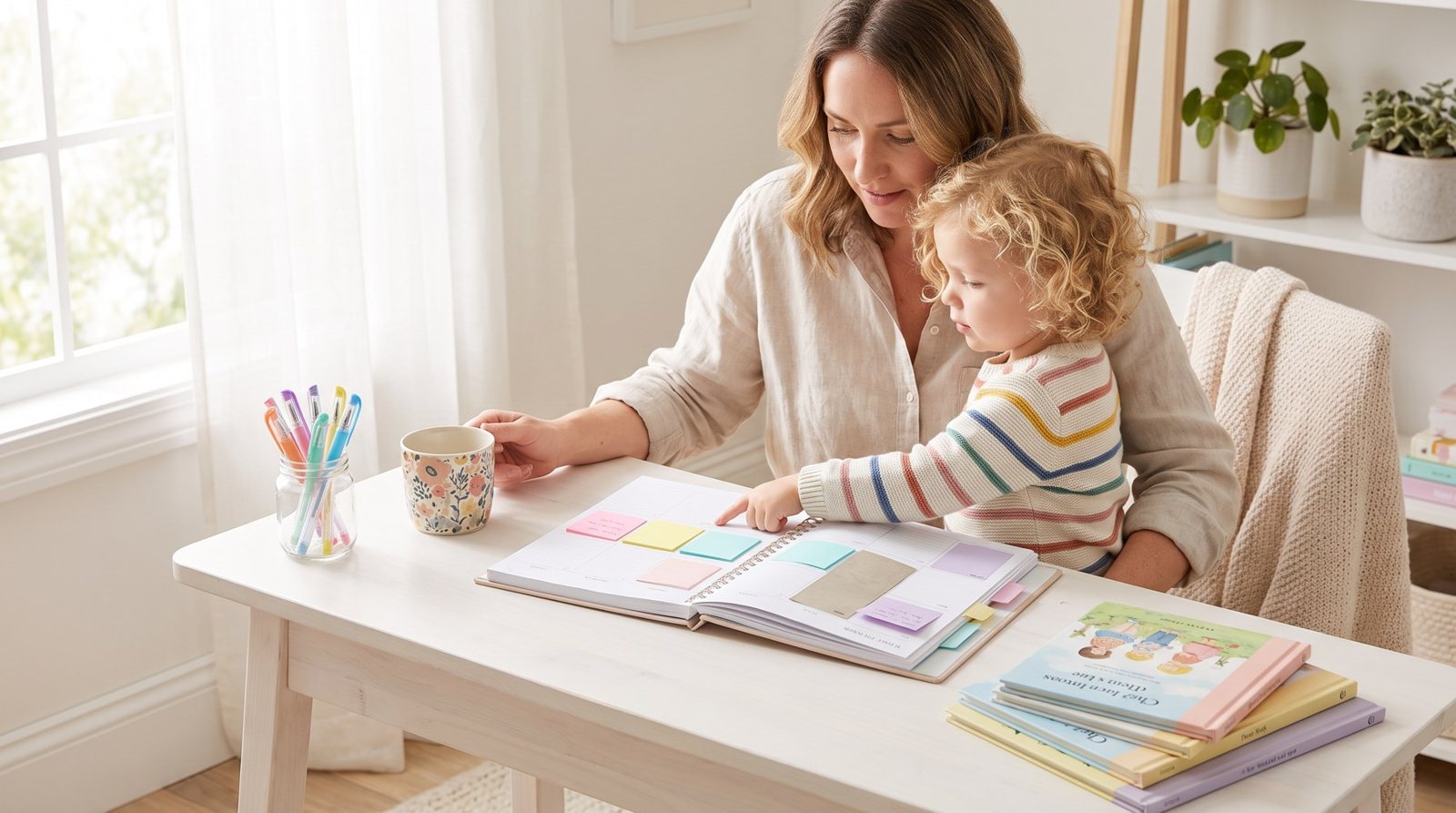
Here's a sample week for a homeschool family with a Little and a Middle. Yours will look different, and that's the point.
| Day | Learning at home | Social time |
|---|---|---|
| Monday | Read & Wonder with the week's picture book | Grocery run (kids order at the deli counter) |
| Tuesday | Words & Worlds | Library story time or book club |
| Wednesday | Nature & Number | Afternoon park day with homeschool friends |
| Thursday | Make & Do project | Swim lesson or art class |
| Friday | Showtime: share the week's project | Friends or grandparents join for Showtime |
| Weekend | Free time | Neighborhood play, family gatherings, team sports |
Notice that the social time isn't squeezed into recess. It's woven through the week, often with the same faces each time, which is exactly how friendships grow.
12 easy ways to build friendships and social skills
You don't need all twelve. Pick two or three that fit your family, and keep them steady.
- Join (or start) a weekly park day. Same park, same time, every week. Consistency is what turns acquaintances into friends.
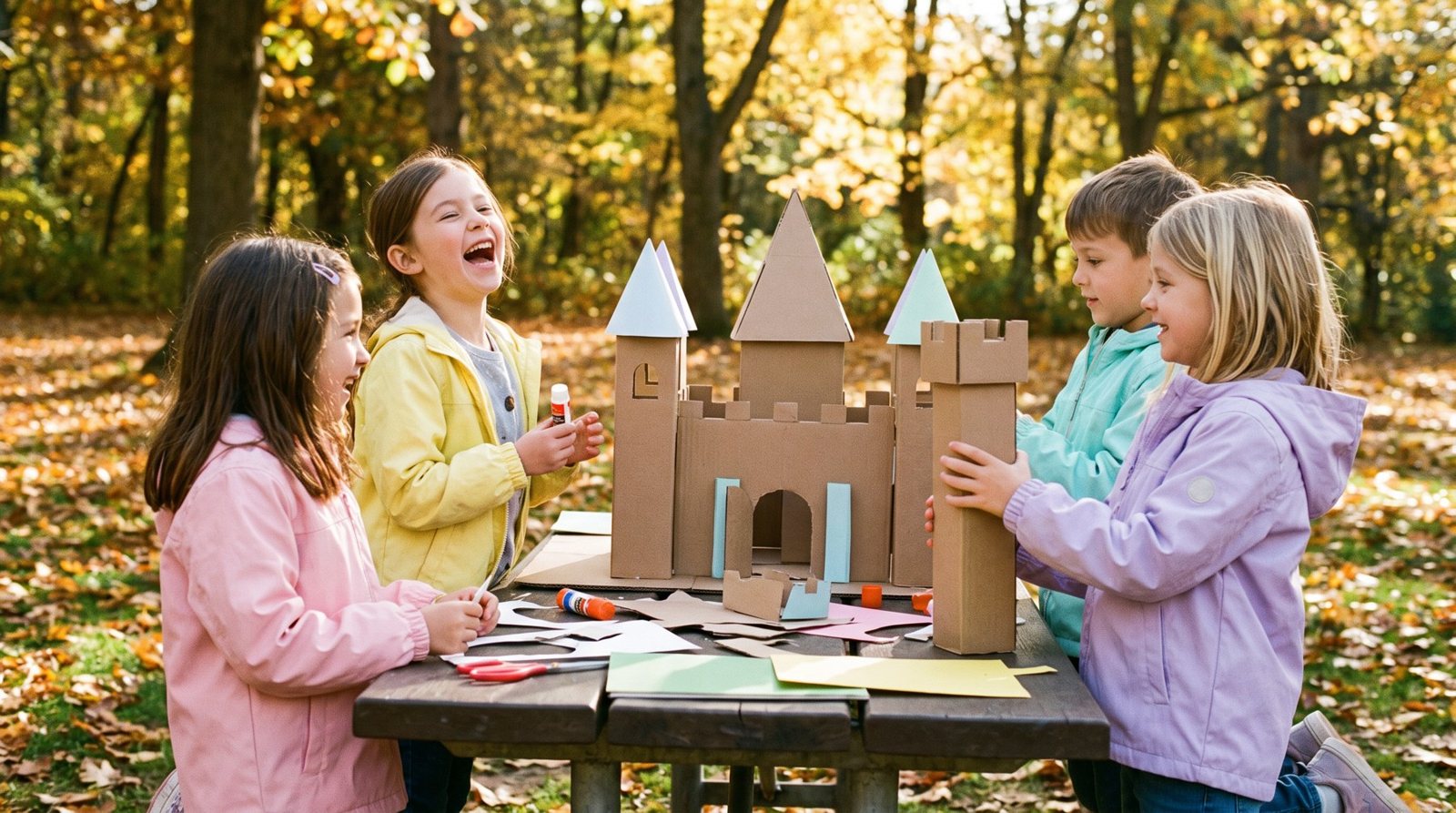
- Try a homeschool co-op. Parents take turns teaching classes, and kids learn in small groups. It's a gentle bridge between home and group learning.
- Use your library. Many libraries offer story times, book clubs, LEGO clubs, and maker programs during the day. The American Library Association is a great place to explore what libraries offer families.
- Sign up for one class or team. Swim, dance, martial arts, soccer, theater, or music lessons all build teamwork and friendships around a shared interest.
- Explore clubs. Scouts, 4-H, chess clubs, nature groups, and robotics teams welcome homeschoolers and mix ages beautifully.
- Host a Friday Showtime. Invite a friend or two each Friday to see what your kids made that week. Presenting a project builds confidence and conversation skills.
- Host a game or puzzle afternoon. Board games and puzzles teach turn-taking, patience, and good sportsmanship. Our guide to educational puzzles for kids is full of ideas.
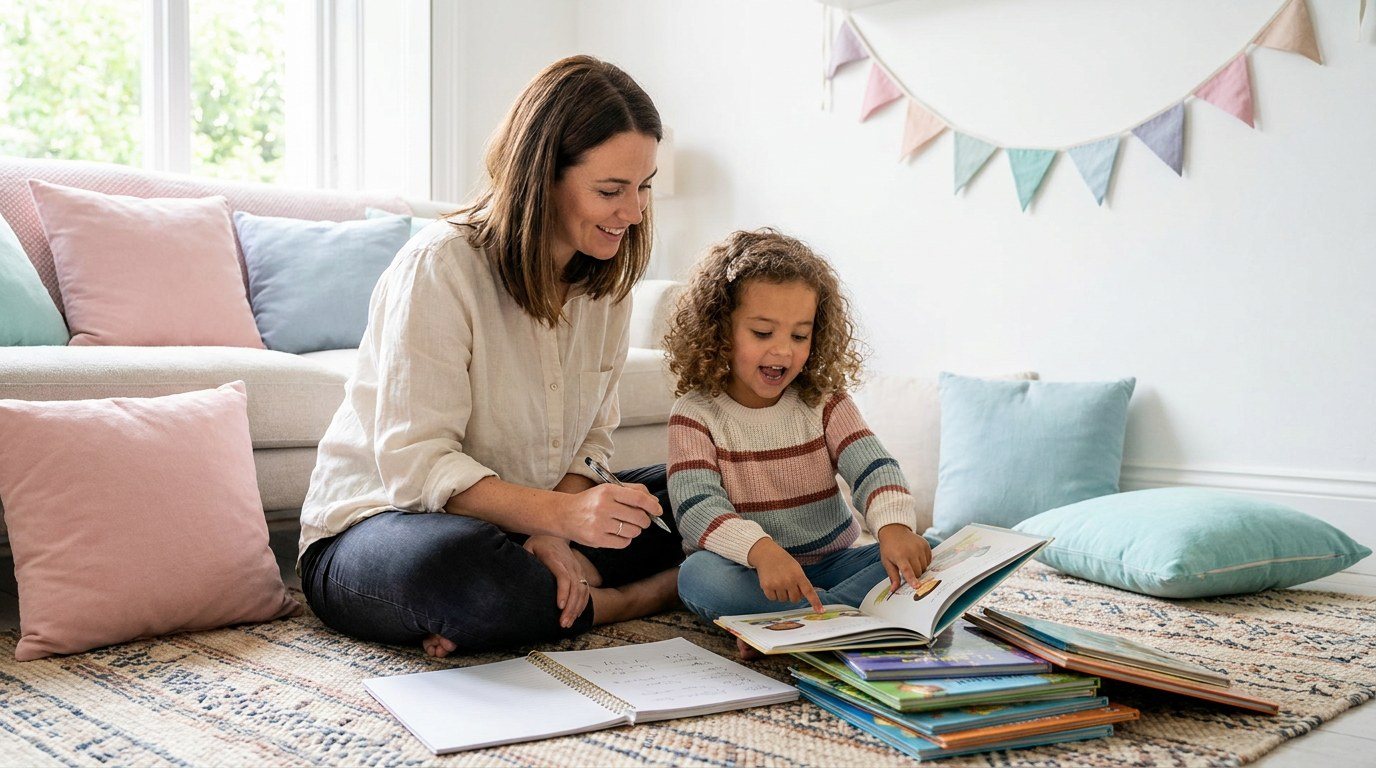
- Read books about friendship together. Talk through how characters handle conflict and kindness (more on books below).
- Volunteer as a family. Sort food at a pantry, help at an animal shelter, or make cards for a senior center. Kids learn to talk with all kinds of people.
- Let kids handle real-world interactions. Have them ask the librarian for a book, pay at a shop, or call a grandparent. Small moments add up.
- Make space for sibling play. Siblings are often a homeschooler's first and closest friends. Our guide to homeschooling multiple ages has ideas for learning together across ages.
- Find your own people too. When parents connect, kids get more chances to play. A homeschool friend for you often means a friend for your child.
Free tool: Planning a puzzle afternoon with friends? Grab the free Frost Fair Puzzle Sampler, with winter word searches, crosswords, and mazes for Littles, Middles and Bigs, so every age can join in at the same table.
Picture books that spark conversations about friendship
Stories give kids a safe place to practice big feelings. Try one of these for your next Read & Wonder day, then ask: "What would you have done?"
- Frog and Toad Are Friends by Arnold Lobel: patience, loyalty, and loving a friend's quirks
- Enemy Pie by Derek Munson: how a rival can become a friend
- The Invisible Boy by Trudy Ludwig: noticing someone who feels left out
- A Sick Day for Amos McGee by Philip C. Stead: friendship that shows up when it counts
- Strictly No Elephants by Lisa Mantchev: making room for everyone
- Charlotte's Web by E.B. White: a chapter book read-aloud about true friendship, perfect for the whole family
For Bigs, novels like Wonder by R.J. Palacio or The Wild Robot by Peter Brown open up rich conversations about belonging, kindness, and community.
Honest challenges (and how to handle them)
Homeschool socialization isn't automatic. Here are a few real bumps, with gentle fixes:
Finding the right group takes time
Your first co-op or park day might not click. That's normal. Try a few, and give each one a handful of visits before deciding.
Older kids may want more peer time
Many Bigs (grades 7-8) crave time with friends their own age. Look for teen classes, team sports, youth groups, or interest-based clubs, and let them help choose.
Shy kids need a softer start
Quieter kids often do best with one-on-one playdates or small classes before big group events. Gigi, our Ringmaster, was the kid curled up in her mom's classroom reading corner with a library book, and that's okay. Fewer, deeper friendships count too.
It's easy to overschedule
When you're worried about socialization, it's tempting to say yes to everything. Protect your home learning days and leave room for unstructured play.
Frequently asked questions
Do homeschooled kids have friends?
Yes. Most homeschooled kids make friends through park days, co-ops, sports, classes, faith or community groups, neighborhood play, and extended family. Friendships may form across a wider age range than in a classroom. The key is building regular, repeated contact with the same families, because kids bond with the people they see often.
How do homeschoolers learn social skills?
Homeschoolers learn social skills the same way all kids do: by practicing them in real situations. They take turns with siblings, order at the library desk, work in teams at co-op, chat with neighbors, and present projects to an audience. Parents can coach in the moment, which turns everyday interactions into gentle lessons in kindness and confidence.
What if there are no homeschool groups near me?
Start small. Invite one family for a weekly park or library meetup, and let it grow. Look beyond homeschool-only groups too: library programs, community centers, scouts, 4-H, sports leagues, music lessons, and theater all welcome homeschoolers. Online classes and communities can add connection, especially for older kids with niche interests.
Is homeschool socialization harder for an only child?
It can take a little more planning, but only children thrive as homeschoolers too. Because there are no siblings for built-in play, schedule a few regular group activities each week and invite friends over often. Many only children enjoy mixed-age groups, where they can lead younger kids and learn from older ones.
How many activities does a homeschooled child need?
There's no magic number. Many families find that two or three regular social activities a week, such as a park day, one class or team, and a library program, give kids plenty of connection without overscheduling. Watch your child: some need more people time, while quieter kids recharge best with fewer, deeper friendships.
Socialization is a skill you'll build together
Homeschool socialization doesn't require recreating a classroom. It grows from steady, real connections: the same park friends each week, a class they love, neighbors who know their names, and a chance to share their work with people who cheer them on.
If socialization was your biggest hesitation, our guide to whether homeschooling is right for your family can help you weigh the rest. And when you're ready, our step-by-step guide on how to start homeschooling walks you through your first weeks.
Step right up: Want a community built right in? The Big Top is our seasonal homeschool membership, with ready-to-teach lesson plans for Littles, Middles and Bigs and a Friday Showtime where kids share their projects with the whole Troupe. One flat $33/month covers your whole family, and you can cancel anytime. Season 1, "The Frost Fair," opens November 27, 2026.