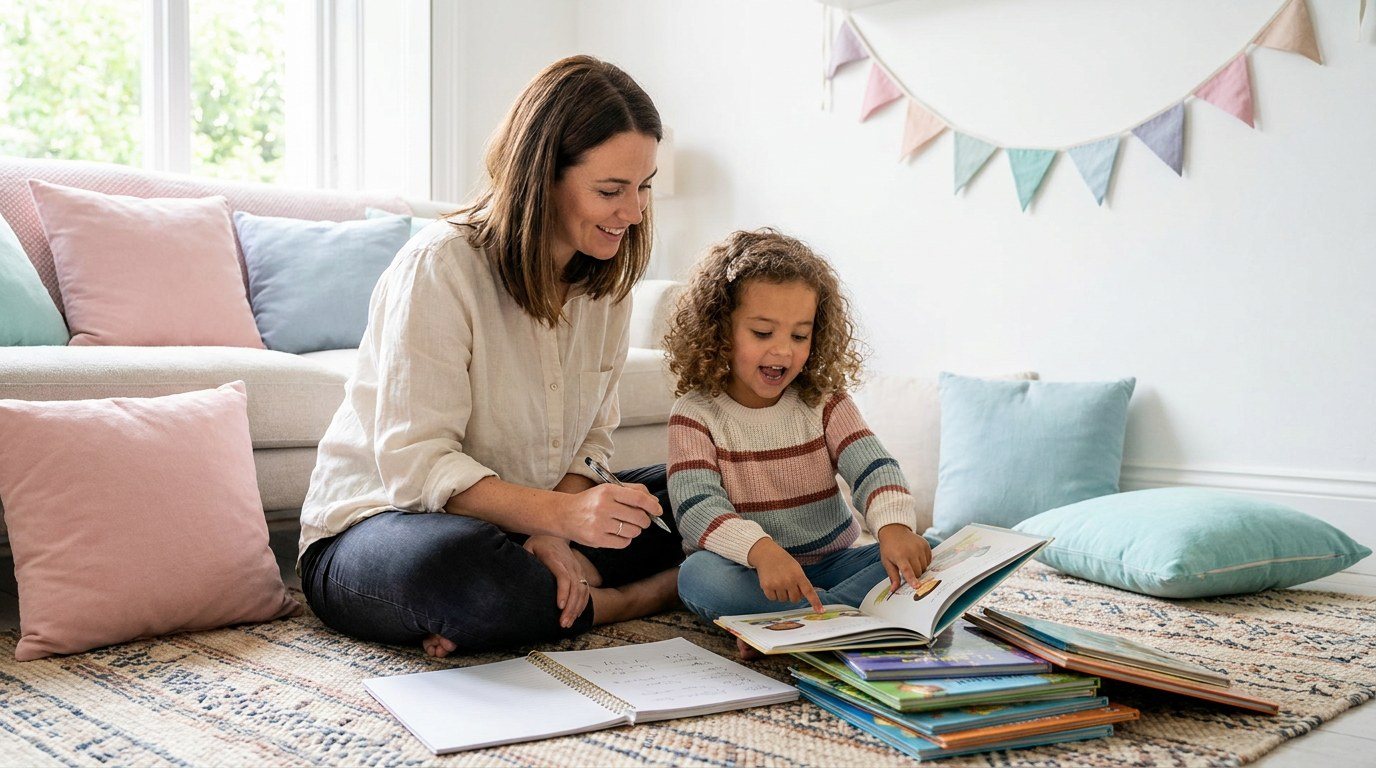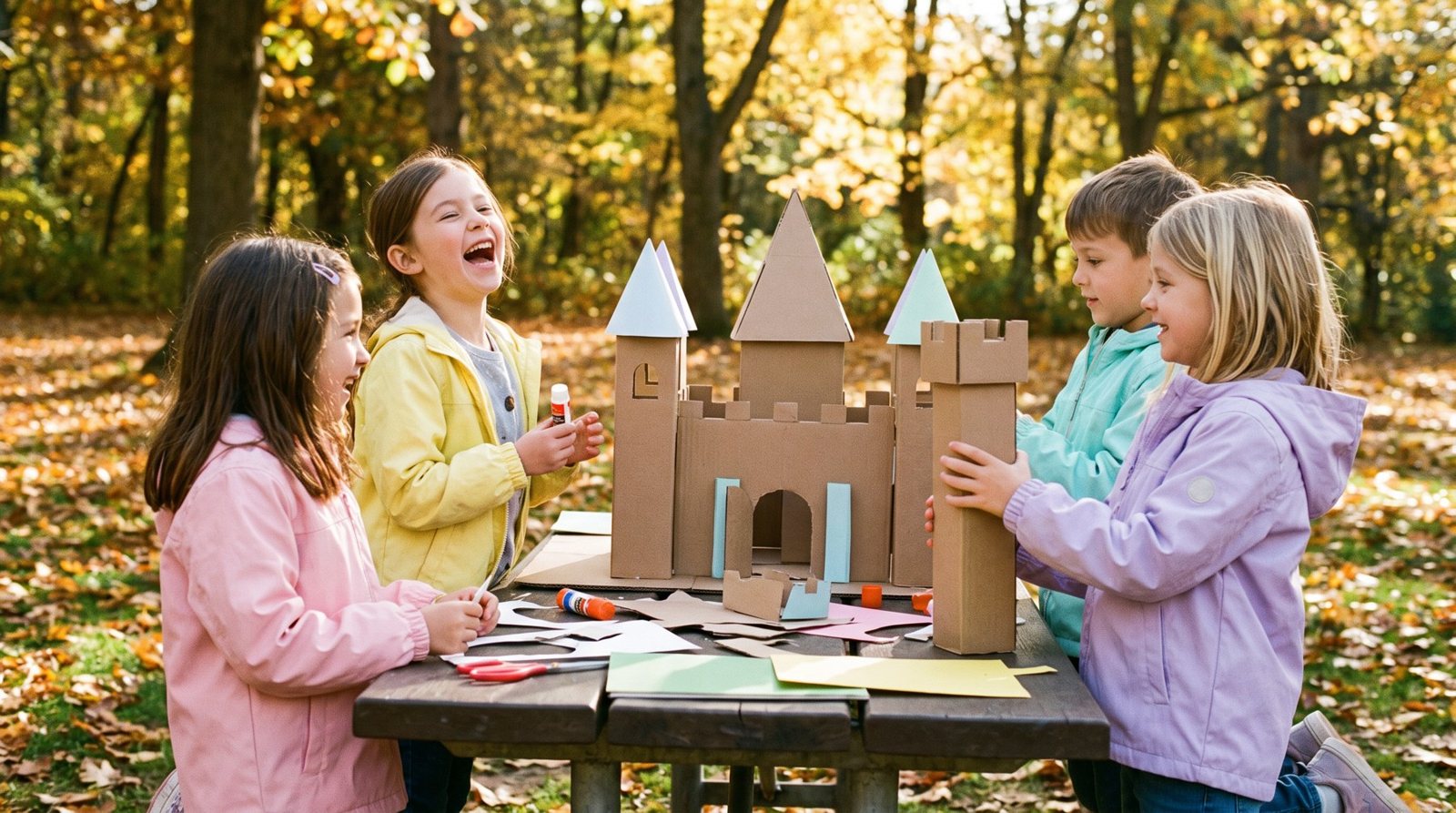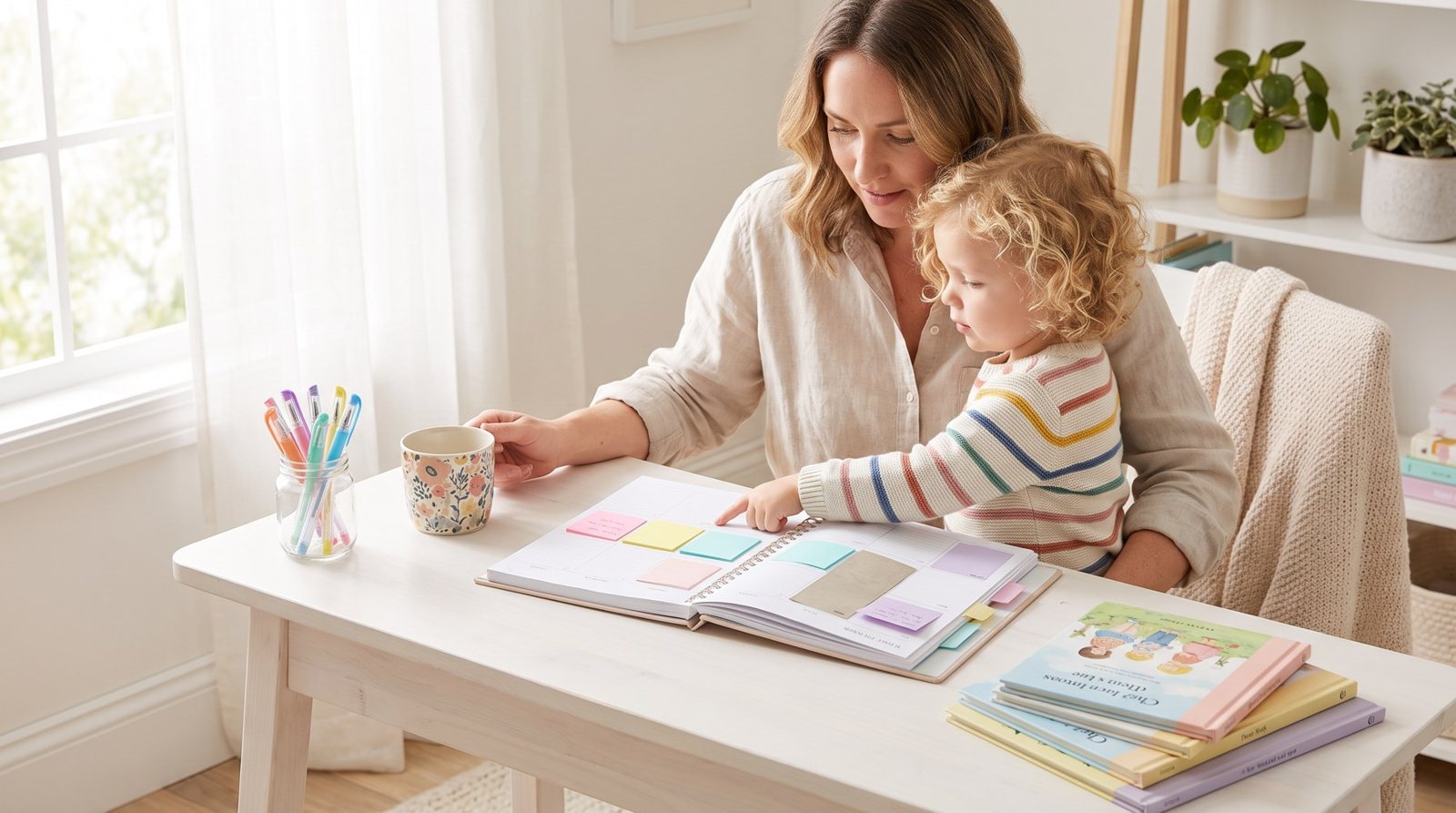

If you've been lying awake asking, "Is homeschooling right for my family?", you're in very good company. Nearly every homeschool parent spent weeks (or months) turning that question over before deciding.
Here's the honest truth: there's no quiz that spits out a perfect answer. Homeschooling is a wonderful fit for many families, and public or private school is a wonderful fit for many others. Both can raise curious, kind, capable kids.
What you can do is ask yourself better questions. The ten below will help you think clearly about your reasons, your resources, and your kids, so you can make a choice that feels right for your home.
Quick answer: Homeschooling is likely a good fit if you have a clear reason, can carve out a few focused hours a day, have some flexibility in your budget and schedule, and your kids would benefit from a different pace or more family time. The best way to know for sure is a low-pressure test week at home.
10 questions to ask when deciding to homeschool
Grab a notebook and jot down your gut answers. There are no wrong ones.
- Why do we want to homeschool? More family time? A gentler pace? More challenge? More time outdoors or with books? Your "why" will carry you through hard days, so name it clearly.
- What does each child need right now? Think about each child separately. A Little who needs to move and play may thrive at home, while a social Big might want classes or a co-op in the mix.
- How much time can we realistically give? Focused lessons take far less time than a school day: often 30 to 45 minutes for Littles (K-3), 60 to 90 for Middles (4-6), and 90 to 120 for Bigs (7-8). Can you protect that time most days?
- Who will do the teaching? One parent, both parents, a grandparent, or a mix? Talk openly about who handles lessons, who handles dinner, and who gets a break.
- What does our budget look like? Homeschooling can be very affordable with a library card and good free resources, but a parent leaving a job changes the math. Look at the whole picture.
- Am I willing to learn alongside my kids? You don't need to know everything. You just need to be curious and willing to say, "Let's find out."
- How will we handle friendships and activities? Homeschooled kids can have rich social lives, but it takes some intention. Our guide to homeschool socialization covers this honestly.
- What support do we have nearby? Look for local homeschool groups, co-ops, library programs, and classes. Even one friendly family can make a big difference.
- What does my state require? Homeschool laws vary by state. Check HSLDA's state law pages and your state's department of education to see what's expected.
- Can we commit to trying it for a season? You don't have to decide forever. Many families commit to one year, then reassess.
The pros and cons of homeschooling, honestly
Every family weighs these differently. Here's a balanced look:
| Possible benefits | Possible challenges |
|---|---|
| Learning at each child's own pace | Less alone time for the teaching parent |
| More family time and shared reading | Possible change in household income |
| Flexible schedules (travel, field trips, slow mornings) | Planning takes time and energy |
| Room to follow interests deeply | Friendships and activities need intention |
| Teaching several ages together | Some days, you'll be teacher, cook, and referee at once |
| Less time on buses, lines, and transitions | Extended family may have opinions |
None of the challenges are automatic dealbreakers. They're simply worth planning for. For example, if you're worried about teaching three kids at once, our guide to homeschooling multiple ages shows how to keep the whole troupe learning together from one book and one plan.

Signs homeschooling might be a great fit
You don't need every item on this list, but if several ring true, homeschooling is worth a serious look:
- Your child's curiosity has dimmed, and you'd love to see it come back.
- You find yourself teaching and exploring with your kids already (reading aloud, answering big questions, doing projects on weekends).
- Your child needs a faster or slower pace than a classroom can easily offer.
- Your family's schedule (shift work, travel, a family business) clashes with the school calendar.
- You want more time for nature, books, art, or family values.
- You're excited (and maybe a little nervous) at the thought of it.
Signs to pause and plan more
These don't mean "don't homeschool." They mean "build a stronger plan first":
- The teaching parent is already stretched very thin with no backup.
- Finances would be truly unworkable with the change.
- Your child is strongly set on staying in school and hasn't been part of the conversation.
- You feel pressured into it by someone else rather than drawn to it yourself.
If any of these apply, talk it through with your partner, your kids, and perhaps a few experienced homeschool families before you decide.
Is homeschooling right for my family if I'm not "the teacher type"?
This is the worry we hear most often. Many parents picture homeschooling as school at the kitchen table: a whiteboard, bells, six subjects a day. It doesn't have to look like that at all.
Our Ringmaster, Gigi, grew up in her mom's classroom, curled up in the reading corner with library books. What stuck with her wasn't the lectures. It was the books and the big questions. That's the heart of a joyful homeschool.
A simple weekly rhythm takes a lot of pressure off. Here's the one we use:
- Monday, Read & Wonder: read a great picture book together and collect questions
- Tuesday, Words & Worlds: vocabulary, writing, maps, and history
- Wednesday, Nature & Number: science and math, often hands-on
- Thursday, Make & Do: art, building, baking, experiments
- Friday, Showtime: kids share what they made
With a book like Owl Moon by Jane Yolen, Monday might be a cozy read-aloud, Wednesday a backyard owl-call walk and a look at nocturnal animals, and Thursday a moonlit snowy-woods painting. That's real learning, and you don't need a teaching degree to lead it. Our sample homeschool schedules show what a full day can look like for each level.
Try a homeschool test week before you decide
The best way to answer "is homeschooling right for my family?" is to try it. Pick a school break, a summer week, or a long weekend and run a gentle test week.
- Choose one beloved picture book, like Blueberries for Sal by Robert McCloskey or The Snowy Day by Ezra Jack Keats.
- Plan one simple activity per day using the five-day rhythm above.
- Keep lessons short and stop while everyone's still having fun.
- At the end of the week, ask each child what they loved and what felt hard.
- Ask yourself the same thing, honestly.
Free tool: The Popcorn Planner is a free printable planner and guide that "pops" any picture book into a bite-sized, five-day week of learning for Littles, Middles and Bigs. It includes a fully worked Blueberries for Sal week, so your test run is already planned.
Want to go further with the method? Our post on picture book lesson plans walks through turning any story into a week of reading, writing, science, math, and art.
Frequently asked questions
How do I know if homeschooling is right for my child?
Watch how your child learns best and how they feel about school right now. Kids who crave more time for interests, need a different pace, or feel anxious in a big classroom often thrive at home. Try a week of read-alouds and simple projects during a school break, and notice their energy, curiosity, and mood.
Can I homeschool if both parents work?
Many working families homeschool, though it takes creativity. Because focused lessons take far less time than a school day, some families teach in the early morning, evenings, or weekends, split days between parents, or lean on grandparents, co-ops, and classes. Check your state's laws, then build a rhythm around your real work hours rather than a school bell.
What are the biggest downsides of homeschooling?
The most common challenges are less personal time for the parent, a possible drop in household income, the work of planning, and the need to be intentional about friendships and activities. None are dealbreakers for most families, but they're real. Naming them honestly before you start helps you build support and a realistic plan.
Is it okay to try homeschooling for just one year?
Absolutely. Many families homeschool for one year, a season, or a few years, then reassess. Your choice can change as your children grow and your circumstances shift. If you do plan to return to school later, keep simple records of what your kids studied, and check your state and school district's re-enrollment process.
Will homeschooling hurt my child's chances of getting into college?
Homeschooled students go on to colleges and universities every year. Admissions offices generally look for transcripts, course descriptions, test scores, and evidence of interests and activities. If your children are in the K-8 years, you have plenty of time. Focus now on a love of reading, strong math foundations, and curiosity.
The choice is yours, and it can change
Is homeschooling right for my family? Only you can answer that, and whatever you decide, you're a thoughtful parent for asking. Work through the ten questions, talk with your kids, try a test week, and trust what you notice.
If the answer is "yes," or even "maybe," our step-by-step guide on how to start homeschooling will walk you from first steps to a joyful first week.
Step right up: Try homeschooling for a week, no pressure and no cost. Download the free Popcorn Planner to turn one favorite picture book into five days of learning for Littles, Middles and Bigs, complete with a worked Blueberries for Sal week to get you started.