Picture book lesson plans are one of the easiest ways to bring real learning into your homeschool without buying a giant curriculum. You pick one good book, read it several times, and give each day of the week a different job. By Friday, your kids have practiced reading, writing, science, math and art, all from a single story.
The best part? The same plan works for a kindergartner and a middle schooler at the same table.
Here is the simple, repeatable method we use, plus a full sample week you can borrow tomorrow.
Quick answer: To make picture book lesson plans, choose one rich picture book and spread it over five days: (1) read and ask questions, (2) explore words and setting, (3) follow a science or math thread, (4) make something hands-on, and (5) share it in a Friday "Showtime." Reread the book each day and adjust each activity for your child's age.
Why picture books make great lesson plans
Picture books are short, but they are not "baby books." Many are written and illustrated by masters of their craft, and they pack a surprising amount of language, history and science into 32 pages.
They also fit short attention spans (a read-aloud takes 5 to 10 minutes), work across ages, cost nothing with a library card, and spark the kind of questions that make the best lessons.
If you are new to building learning around books in general, our literature-based homeschool guide explains the bigger picture.
How to choose a picture book for a week of lessons
Look for these qualities:
- A story you enjoy rereading. You will read it at least three times.
- Rich, interesting language. Lovely words give Tuesday something to work with.
- A real-world thread. Animals, weather, a place, a job, a season or a historical moment gives Wednesday a science or math hook.
- Something to make. A setting you can build, a character you can puppet, or a food you can cook.
- Room for big questions. "Why did she do that?" or "What would you do?" keeps older kids thinking.
Classic picks that stretch beautifully include Blueberries for Sal by Robert McCloskey, Miss Rumphius by Barbara Cooney, The Snowy Day by Ezra Jack Keats, Owl Moon by Jane Yolen and The Little House by Virginia Lee Burton. The list of Caldecott winners from the Association for Library Service to Children is another great source.
The 5-day picture book lesson plan framework
This is our signature rhythm. Each day has one clear focus, so planning becomes a quick fill-in-the-blanks job.
| Day | Focus | What you do | Time (Littles / Middles / Bigs) |
|---|---|---|---|
| Monday | Read & Wonder | Read aloud, look closely at pictures, collect questions | 20 / 30 / 30 min |
| Tuesday | Words & Worlds | Vocabulary, narration, copywork, map the setting | 20 / 40 / 45 min |
| Wednesday | Nature & Number | A science or math activity connected to the book | 30 / 45 / 60 min |
| Thursday | Make & Do | Art, building, cooking, puppets or drama | 30 / 45 / 60 min |
| Friday | Showtime | Kids share or present what they made | 15 / 20 / 30 min |
These times cover only the picture book block; add math and phonics around it. For help fitting it into a full day, see our guide to homeschool lesson planning.
Monday: Read & Wonder
Read the book aloud with no agenda. Then do a slow "picture walk" back through it. Ask two questions:
- "What did you notice?"
- "What are you wondering?"
Write their wonders on sticky notes for the fridge, and use one to shape Wednesday.
Tuesday: Words & Worlds
Reread, then zoom in on language and place.
- Littles: Pick three favorite words and draw them. Retell the story using the pictures.
- Middles: Write a short narration (a paragraph telling the story back). Find the setting on a map.
- Bigs: Copy a favorite sentence and talk about why it works. Research the setting's time or place.
Wednesday: Nature & Number
Follow a real-world thread: animals, weather, plants or places. Bring in math with counting, measuring, graphing or patterns, and go outside if you can.
Thursday: Make & Do
Build a model of the setting, make stick puppets, paint in the illustrator's style, or cook something from the story. Paper, glue, crayons and the recycling bin are plenty.
Friday: Showtime
Kids present: a puppet show, a reading, a "museum tour" of their projects or a short talk. Invite grandparents on a video call and clap loudly. Showtime gives kids a reason to finish and builds speaking confidence.
Sample week: Miss Rumphius by Barbara Cooney
Let's put the framework to work. Miss Rumphius is the story of a woman who travels the world, settles by the sea, and finds her own way to "make the world more beautiful" by scattering lupine seeds along the roads and hills near her home.
Here is how one week might look for the whole troupe.
Monday: Read & Wonder. Read the book together. Notice how the pictures change as she grows older. Collect wonders like "What is a lupine?" and "Where did she travel?"
Tuesday: Words & Worlds. - Littles: Draw "something beautiful" from the story and label it. - Middles: Find the places she visited on a world map and write a short narration of her journey. - Bigs: Discuss the book's big idea. What is one way they could make the world more beautiful? Write a paragraph.
Wednesday: Nature & Number. - Littles: Plant a few seeds in a cup and count how many sprout over the next weeks. - Middles: Learn how seeds travel (wind, water, animals) and sort pictures of seeds by method. - Bigs: Measure a garden bed or patch of yard and calculate how many seeds would fill it at a set spacing.
Thursday: Make & Do. Paint a lupine field with watercolor or tissue paper. Older kids can try to copy the illustrator's style.
Friday: Showtime. Each child shares their art and tells one "beautiful thing" they want to do. Bonus: plan a family kindness project together.
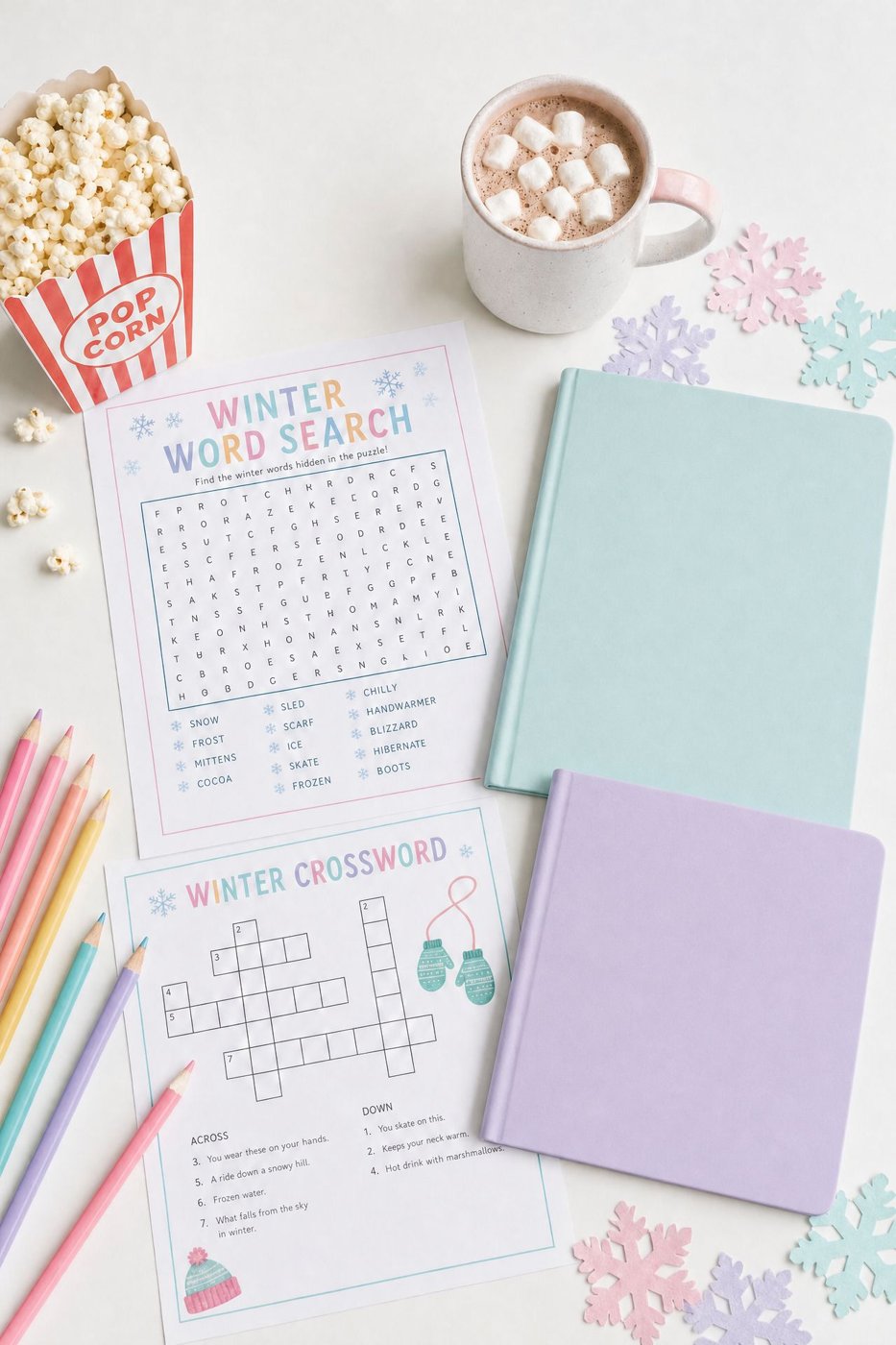
Want this done for you? The free Popcorn Planner is a printable that "pops" any picture book into a five-day week for Littles, Middles and Bigs. It even includes a fully worked Blueberries for Sal week to copy.
How to adapt picture book lessons for each level
One book can serve every child. Keep the read-aloud together, then level the follow-up.
Littles (K-3)
Aim for 30 to 45 minutes a day. Lean on rereading, oral narration, drawing, acting out and simple counting.
Middles (4-6)
Plan 60 to 90 minutes. Add written narration, map work, short research and multi-step projects. Middles can often work alone while you help a younger sibling.
Bigs (7-8)
Plan 90 to 120 minutes with more independence. Ask about theme, structure and point of view, and let them research the book's real-world topic and lead Showtime for younger kids.
Teaching more than one at once? Our guide to homeschooling multiple ages has more tips for keeping everyone learning together.
Tips to keep it simple
- Plan a month at a time. Pick four books, put them on hold at the library, and you are done.
- Pick a season. Seasonal books are easy to connect. Try our list of winter picture books for kids for cozy months.
- Do one activity a day. Leave them wanting more.
- Let questions lead. If Monday's wonder is about the ocean, follow it.
FAQ
How do you make a lesson plan from a picture book?
Choose one rich picture book and give each day of the week a focus. Read and ask questions on Monday, explore vocabulary and setting on Tuesday, connect to science or math on Wednesday, do a hands-on project on Thursday, and let kids share on Friday. Reread the book each day so understanding deepens naturally.
What age are picture book lesson plans for?
Picture book lesson plans work well from kindergarten through eighth grade. Younger kids enjoy the story, pictures and simple activities. Older kids can study the author's choices, research the topic, and write about big ideas. Many picture books are sophisticated enough to spark real discussion with middle schoolers, so keep them on the shelf.
How many times should you read a picture book in a week?
Aim for at least three readings, and daily is even better. The first reading is for enjoyment. Later readings help kids notice details in the pictures, new words, and the structure of the story. Picture books are short, so rereading only takes a few minutes and usually becomes something kids ask for.
Can picture books count as homeschool curriculum?
Picture books can carry a large part of your homeschool, especially reading, writing, science, history, geography and art. Most families add a separate math program and, for beginning readers, systematic phonics. Homeschool requirements vary by state, so check your state's guidelines and keep a simple log of the books and activities you complete.
What are the best picture books for homeschool lessons?
Look for books with rich language, a real-world topic and something to make. Reliable favorites include Blueberries for Sal by Robert McCloskey, Miss Rumphius by Barbara Cooney, The Snowy Day by Ezra Jack Keats, Owl Moon by Jane Yolen and The Little House by Virginia Lee Burton. Caldecott winners are a great starting list.
The wrap-up
You do not need a pricey boxed curriculum to teach well. With one good book and a simple five-day rhythm, you can create picture book lesson plans that cover a surprising amount of learning and feel like family time. Read, wonder, explore, make, and celebrate. Then pick the next book and do it again.
Step right up: Grab the free Popcorn Planner, our printable planner and guide that turns any picture book into a bite-sized, five-day week of learning for Littles, Middles and Bigs. It includes a complete Blueberries for Sal week so you can see exactly how it works, then use it with any book on your shelf.